

Introduction
As a parent, you always want the best for your child, especially when it comes to their development and learning. You might have heard of ABA therapy and wondered, “What exactly is ABA? How does it work? And should I consider it for my child?” Let’s dive into these questions and explore ABA in simple, easy-to-understand terms.
What is ABA?
ABA stands for Applied Behavior Analysis. It’s a type of therapy that focuses on improving specific behaviors, such as social skills, communication, and academics, while also reducing behaviors that might be harmful or interfere with learning. ABA is based on the science of learning and behavior, meaning it uses techniques and principles that have been proven to help people learn and grow.
How Does ABA Work?
ABA therapy is highly personalized. Here’s how it typically works:
- Assessment: The process begins with a thorough assessment of your child’s current skills, challenges, and behaviors. This helps the ABA therapist understand what areas need improvement and what strengths your child already has.
- Goal Setting: After the assessment, the therapist will work with you to set specific, measurable goals for your child. These goals could be anything from learning to communicate more effectively to improving social interactions or decreasing challenging behaviors.
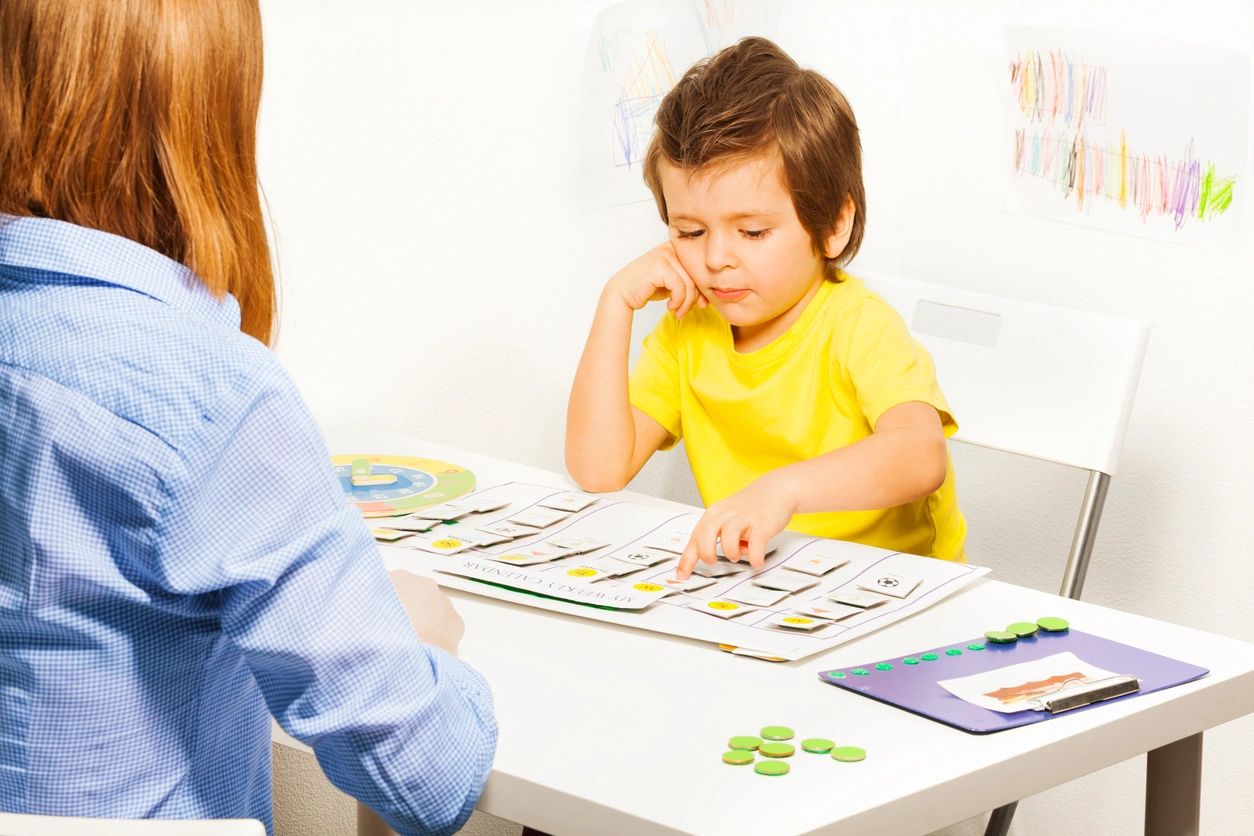
- Intervention: The therapist will then develop a plan to help your child achieve these goals. This might involve one-on-one sessions where the therapist uses different techniques to teach new skills and behaviors. These techniques often include positive reinforcement, where desired behaviors are rewarded to encourage your child to keep doing them.
- Monitoring and Adjusting: ABA therapy is not a one-size-fits-all approach. The therapist will continuously monitor your child’s progress and make adjustments to the plan as needed. This ensures that the therapy is always tailored to your child’s evolving needs.
- Family Involvement: A key component of ABA is involving parents and caregivers in the process. You’ll be guided on how to continue supporting your child’s progress at home, creating a consistent environment for learning.
Should I Seek Out ABA for My Child?
Whether ABA is right for your child depends on various factors, including their specific needs and the goals you have for them. Here are some things to consider:
- ABA is Evidence-Based: ABA is one of the most researched and scientifically validated therapies for helping children with developmental challenges, particularly those with autism. It has a strong track record of success in helping children develop essential skills.
- Customized Approach: ABA is not a one-size-fits-all program. It’s tailored to your child’s unique needs, which means the therapy will be specifically designed to address their challenges and strengths.
- Long-Term Benefits: ABA is not a quick fix. It’s a process that requires time and commitment, but many families see significant, long-lasting improvements in their child’s behavior and skills.
- It’s Not Just for Autism: While ABA is most commonly associated with autism, it can be beneficial for children with other developmental delays or behavioral issues as well.
- Therapist-Parent Collaboration: ABA involves working closely with a therapist, but it also requires parents to be involved. You’ll likely need to practice and reinforce what your child is learning during the sessions.
Final Thoughts
Deciding whether to pursue ABA therapy for your child is a personal decision that depends on your family’s needs and your child’s specific situation. It’s important to gather all the information, talk to professionals, and consider what’s best for your child’s development and well-being.
If you’re considering ABA, start by consulting with a qualified therapist who can guide you through the process. They can provide insights specific to your child’s needs and help you determine if ABA is the right path.
Remember, you’re not alone in this journey. With the right support and resources, you can help your child reach their full potential.
By: Katie Krell